
In this issue, we take a look at how a new royalty scheme by dominant music streaming service Spotify shortchanges smaller artists in favor of the large music labels.
Read MoreA new Industry Spotlight on container shipping shows how decades of deregulation and consolidation have left the United States dependent on a ‘container cartel’ of six foreign-owned shipping firms which control more than 90 percent of US trade on major routes. It recommends a series of fixes to improve the U.S. outlook.
Read MoreAs debates about AI governance and transparency sweep across governments, the Open Markets Institute has joined an amicus brief urging the U.S. Court of Appeals for the Ninth Circuit to uphold California's law requiring AI companies to disclose information about the data used to train their models.
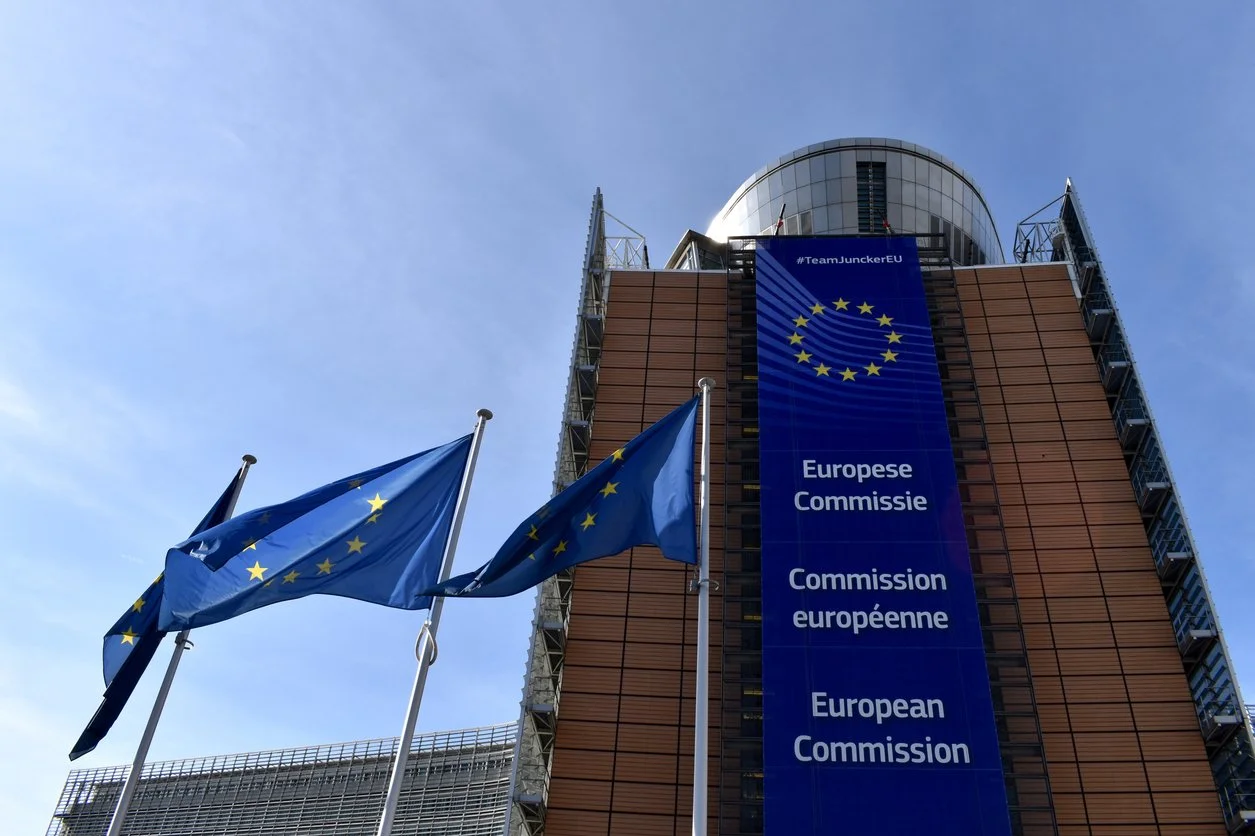
Read MoreMassive corporations like Google should not be able to buy their way out of complying with EU law.
Read MoreThe Commission's approval comes despite months of warnings fromcivil society, journalists, and thefilm and TV industries that the deal would concentrate an unprecedented share of production, distribution and broadcasting power in the hands of one company, reducing the number of major American studios from four to three.
Read MoreCMDG director Courtney Radsch argues how policymakers must urgently regulate the AI industry before it replicates and supercharges "surveillance capitalism" business models that commercially exploit personal data and reward psychological manipulation
Read MoreWithout these orders, the 60% of Europeans who use an Android device would be locked into Gemini as their only system level AI assistant, and Google would continue to leverage its overwhelming monopoly over search data to gain an unfair advantage over its competitors in AI development.
Read MoreIn this issue, we explore how California’s COMPETE Act sets the stage for California to become a global superpower in antitrust, as the Trump administration all but suspends federal enforcement.
Read MoreEditorial director Anita Jane argues that AI’s real danger is not superintelligence, but Big Tech’s inflated economics, concentrated power, and use of AI to turn workers and creators into tools serving machines rather than people.
Read MoreOpen Markets Institute applauds the 12 state attorneys general suing to block the Ellison family’s illegal, anti-democratic efforts to take over Warner Bros. Discovery properties and fold them into their Paramount-Skydance media empire.
Read MoreThis decision is about European sovereignty and democracy as much as competition or bargaining power.
Read MorePolicy and advocacy lead Giorgos Verdi argues that the EU’s Tech Sovereignty Package is a promising step toward reducing Europe’s dependence on U.S. technology firms, but warned it will fall short unless Europe also confronts the market concentration that allows Big Tech to dominate AI, cloud, chips, and digital infrastructure.
Read MoreOpen Markets Institute has welcomed the European Commission's draft merger guidelines as a major, overdue modernisation of EU competition rules – part of a once-in-a-generation review – while also urging the Commission to close loopholes which risk undermining progress.
Read MoreFood systems director Claire Kelloway argues that the egg price spike was not fully explained by bird flu, pointing instead to signs that concentrated market power allowed major egg producers to raise prices far beyond what supply losses alone would justify.
Read MoreIn this issue, we take a look at two new rules from Italy and the U.K. to help news publishers negotiate fair compensation for their content with AI corporations. We also preview our June 24 conference on combating oligarchy, which will feature keynotes from Senators Elizabeth Warren, Chris Murphy, and Chris Van Hollen.
Read MoreOpen Markets Institute issues a statement in response to the US Supreme Court’s precedent-shattering decision in Trump v. Slaughter.
Read MoreMax von Thun and Claire Lavin argue that merger guideline progress is undermined by the introduction of a bias for scale and efficiency loopholes, which give large corporations more paths to complete a merger.
Read MoreSenior legal analyst Daniel Hanley argues that today’s renewed antitrust enforcement will only matter if courts impose meaningful structural remedies, including breakups and divestitures, rather than settling for judgments that merely identify illegal monopoly conduct.
Read More